
Addictions Specialization
Professional Certification in Psychoanalysis
The Addictions specialization certifies you to work with substance and behavioral dependency using a relapse-aware, harm-reduction-informed frame — from the first ambivalent conversation through stabilization and aftercare. It is a completion-based professional certification, not a license to prescribe or detox patients. And it is personal: if you've watched a loved one disappear into compulsion, or fought your own cravings, this gives you a vocabulary for what addiction actually is — and a clear-eyed path through it.
For your practice
Work with dependency — substance and behavioral — using relapse-aware, harm-reduction-informed framing and recovery protocols.
For your own life
Understand the roots of your own or a loved one's compulsions, and the path out.
What you'll learn
- 1The Compulsion Loop and Its Roots. How dependency forms — the cue, craving, ritual, and relief cycle — and why it persists despite consequences. We trace addiction to underlying drivers: unprocessed trauma, attachment wounds, shame, and emotional regulation deficits, so you treat the cause and not only the substance.
- 2Assessment, Ambivalence, and the Stages of Change. A structured intake for dependency presentations — substance and behavioral. Map where a client truly sits on the change continuum, work skillfully with ambivalence and denial, and use motivational, non-confrontational conversation to build readiness instead of resistance.
- 3Harm Reduction and the Abstinence Question. When the goal is moderation, safer use, or stabilization rather than immediate abstinence — and how to hold that honestly. The harm-reduction posture, meeting people where they are, and recognizing the medical and detox situations that require referral, not your office.
- 4Relapse as Data, Not Failure. Build a relapse-aware practice: identify high-risk states and triggers, create concrete prevention plans, and reframe a slip as information rather than collapse. Emotional, mental, and physical warning signs, and how to keep a client engaged through setbacks.
- 5Behavioral and Process Addictions. Gambling, gaming, compulsive screen and pornography use, food, work, and spending. How process addictions mirror and differ from substances, why a fully abstinent goal is often impossible, and how to work where the 'substance' is woven into daily life.
- 6The Family System and Aftercare. Codependency, enabling, and the roles family members adopt around an addicted loved one. Supporting families, setting boundaries that hold, and building recovery capital — community, meaning, and routine — that protects long-term stability after the acute phase.
Who this is for
- Practitioners and coaches who keep meeting clients whose drinking, using, gambling, or screen and porn compulsions sit underneath the problem they came in with
- Recovery peers, sponsors, and faith or community workers who want a structured, non-shaming framework instead of improvising support
- Family members of someone in active addiction who need to understand enabling, boundaries, and what they can and cannot control
- Anyone confronting their own compulsive pattern who wants to understand its roots rather than just white-knuckle abstinence
What you'll be able to do
- Conduct a structured dependency assessment that distinguishes substance from behavioral addiction and identifies the underlying emotional drivers
- Run sessions from first ambivalent contact to stabilization using motivational, harm-reduction-informed technique
- Build individualized relapse-prevention plans and respond to a slip without losing the working alliance
- Recognize the medical, detox, and dual-diagnosis situations that fall outside your scope and require professional referral
What's included
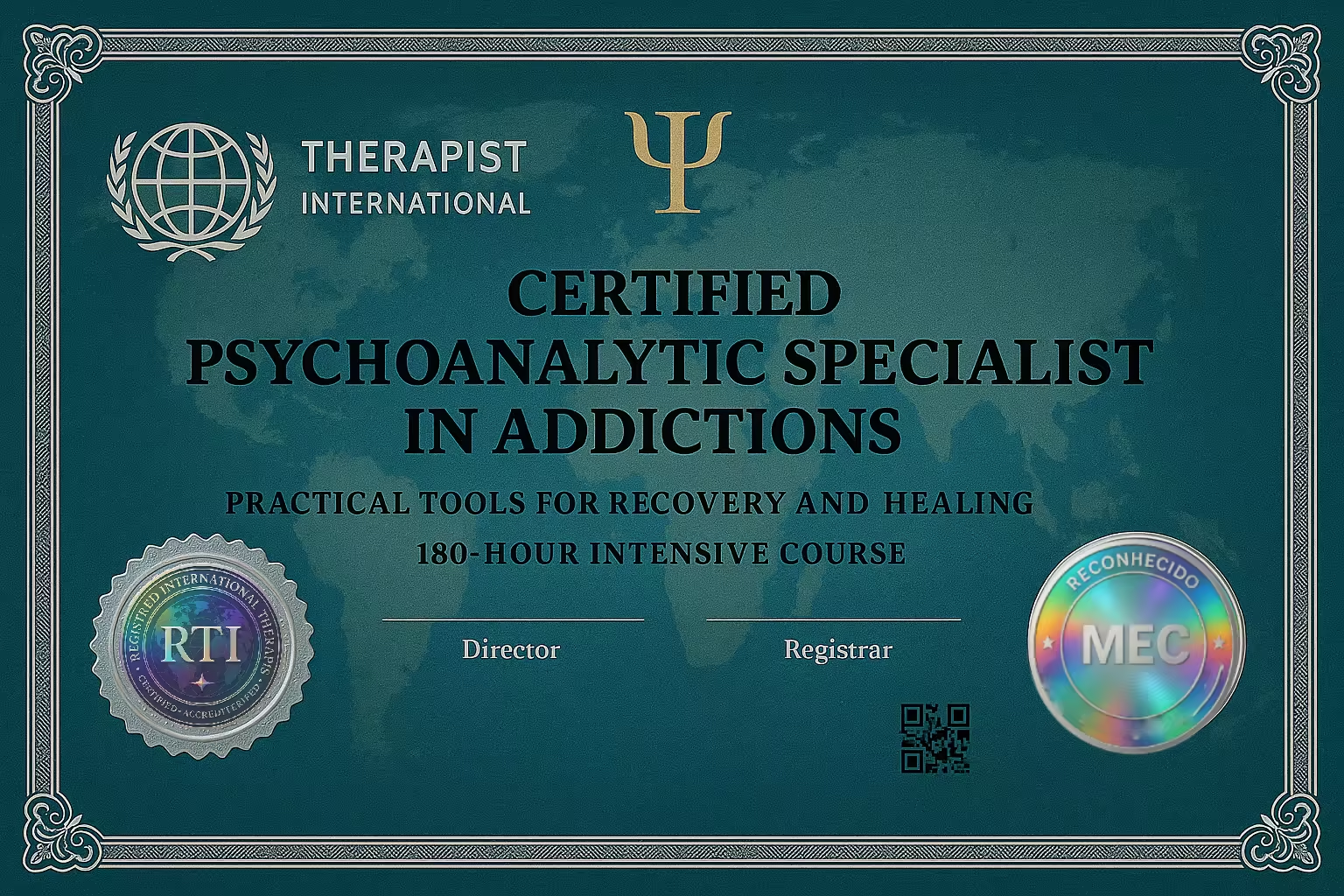
Globally valid certificate
An official certificate of completion you can show and verify.
Professional register entry
Your name in the Therapist University professional register.
Practitioner ID & badge
Your official, verifiable practitioner ID and digital badge.
This is a completion-based professional certification in addiction support, not a state license, a medical or detox qualification, or an accredited academic degree — and it does not authorize prescribing or diagnosis.
Questions
Does this certification let me run a detox or prescribe medication for addiction?
No. This is a completion-based professional certification in the psychological and relational work of addiction — it is not a state license, a medical qualification, or accredited by CHEA or USDE. Medical detox, withdrawal management, and prescribing belong to licensed medical professionals, and the curriculum trains you to recognize exactly when to refer rather than treat.
Can this help me work with my own addiction, or a loved one's, rather than build a practice?
Yes, and many enroll for that reason. The modules on the compulsion loop, relapse-as-data, and the family system give you a concrete framework for understanding your own cravings or a loved one's behavior — including enabling and boundaries. We support understanding and practical strategies; we do not promise to cure addiction, and serious cases warrant qualified clinical care.
Will this credential be recognized where I live?
Therapist University issues a globally recognized certificate of completion, an entry in our professional register, and an official practitioner ID badge, used by graduates in 130+ countries. Recognition is as a professional certification, not as government licensure. Scope of practice for addiction support varies by country, so confirm your local requirements before practicing.
Is the Addictions specialization valid in my country?
It is a globally valid certificate of completion, used by graduates across 130+ countries. It certifies that you trained and qualified through Therapist University — it is not a government-issued license. See our Recognition & Validity page for the honest specifics.
What exactly do I receive?
The certificate of completion, an entry in our professional register, and your official practitioner ID badge — all publicly verifiable.
Become a certified Addictions specialist
$297 · certificate, professional register entry, and practitioner ID included.